
Turf Toe in BJJ: A Five Dock Physio Guide

What turf toe actually is
Turf toe is a sprain of the first metatarsophalangeal joint, the knuckle at the base of your big toe. The injury happens when that toe is forced into extension beyond its normal range while the foot is planted and the heel is up. The structures that get damaged sit underneath the joint: the plantar plate, the two sesamoid bones embedded in the flexor hallucis brevis tendon, and the collateral ligaments that stop the toe sliding sideways.
The name comes from American football on artificial turf, where stiff surfaces and flexible shoes combined to produce a lot of them. Brazilian jiu-jitsu produces the same injury through a different route, and because grapplers train barefoot, there is no shoe doing any of the work.
Why BJJ loads the big toe so hard
Almost every pressure position in BJJ runs force through the ball of the foot with the toes dorsiflexed. Think about where your feet are during a knee cut pass, when you are driving a shoulder into someone's chest from the top of half guard, or when you post and sprawl against a shot. The heel is off the mat, the big toe is bent back under load, and you are pushing with everything you have.
Add the specifics of the sport. Toes catch in the gi, in the weave of the mat, in an opponent's belt or lapel. You get stacked while your foot is planted. Someone drives through your base during a scramble and the toe gets bent further than it was built to go. Training barefoot several times a week on a surface with high grip means the foot does not slide when the rest of you does.
A single violent hyperextension causes some turf toe injuries. Plenty of others build up across weeks of hard rounds, where the joint gets sore, settles overnight, then gets reloaded the next session.
How severity is graded
Clinicians generally describe turf toe in three grades. Grade 1 is a stretch of the plantar structures with local tenderness, mild swelling and minimal loss of movement. Grade 2 is a partial tear, with more swelling, bruising, a painful restriction in toe extension and difficulty pushing off. Grade 3 involves a complete plantar plate tear, sometimes with sesamoid fracture or migration, and usually obvious swelling, marked bruising and an inability to weight bear through the forefoot.
The grade matters because the timelines are very different. A grade 1 injury often allows modified training within a couple of weeks. A grade 3 can require immobilisation, surgical opinion, and a return to grappling measured in months. Misreading a grade 3 as a bad bruise and rolling on it is how grapplers end up with a stiff, arthritic first toe years later.
What assessment looks like at Five Dock
At our Five Dock clinic, an assessment for a suspected turf toe starts with the mechanism. What position were you in, was the heel up, did the toe bend back or sideways, could you keep training afterwards, and how did it look the next morning.
From there the physical examination covers palpation of the plantar plate, both sesamoids and the collateral ligaments, so we can tell which structure is actually irritable. We measure first MTP extension and compare it to the other foot, since losing range there changes how you push off. A vertical stress test of the joint checks the integrity of the plantar plate. We also look at calf and flexor hallucis strength, single leg heel raise, and how you load the forefoot in a staggered or sprawl-like position.
If the findings point to a plantar plate rupture, sesamoid fracture or sesamoid migration, imaging and a referral for an orthopaedic opinion are part of the plan. Gout, sesamoiditis and early hallux rigidus can all produce big toe pain in a grappler and are worth ruling out when the mechanism is vague.
Early management and training modification
The first phase is about settling the joint and protecting it from repeated hyperextension. That usually means relative rest from positions that load the toe, taping to limit extension, and a stiff carbon or firm insole in your shoes off the mat. Walking around in thongs all week keeps the joint moving through the exact range you are trying to protect.
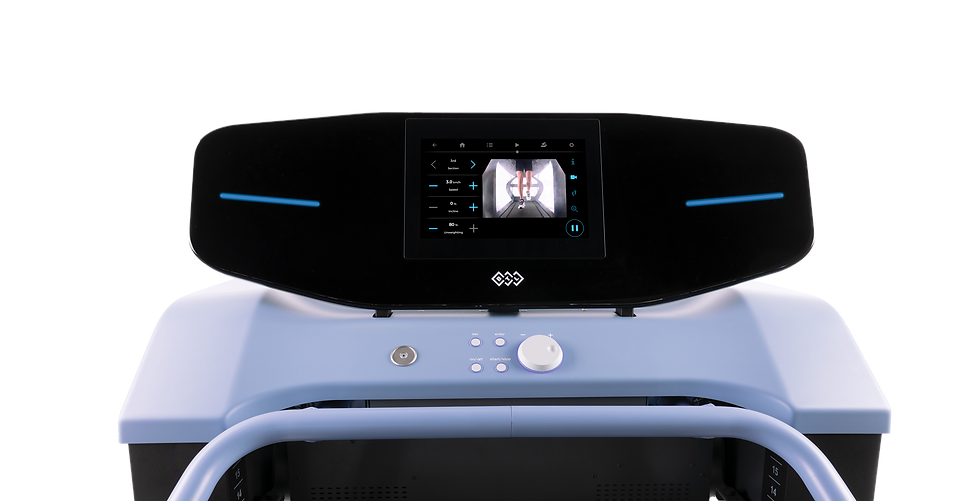
Most grapplers do not want to stop entirely, so we work out what you can keep doing. Drilling from seated guard, flow rolling with a rule that you do not post with that foot, upper body strength work, and conditioning that avoids forefoot push-off all stay available in many cases. We have a large gym space at Five Dock, and the anti-gravity treadmill is one option for keeping running volume going at reduced body weight while the forefoot settles.
Rebuilding for the mats
Rehab progresses through restoring first MTP extension, then loading it. Big toe flexor work, intrinsic foot strength, calf raises with the toes progressively more extended on a block, and split-stance pressing to rebuild tolerance to the exact position that hurt you. Later stages add hopping, directional changes and sprawl mechanics.
Before you return to full rounds, we want comparable calf and toe flexor strength side to side, full pain-tolerable extension under load, and the ability to hold a driving pass position without the joint flaring the next day. AxIT force plate testing can give us objective numbers on push-off asymmetry rather than relying on how it feels.
If your big toe has been sore for more than a week of training, or you felt a distinct pop while posting, get it assessed properly before the next session.
Read more about our lower limb services.
We go deeper on lower limb at innerwestantigravitytreadmill.com.au.
If you would like it assessed at our Five Dock clinic, you can book a free injury assessment.


Comments