
Sports Physiotherapy in Five Dock: What It Involves

What sports physiotherapy actually means
Sports physiotherapy is physiotherapy built around the demands of a sport rather than around symptom relief alone. The injury matters, but so does what you need to do on Saturday: change direction on a wet surface at Timbrell Park, sprint repeatedly, hold a scrum, land from a rebound, run 21km on road.
That changes the questions asked in the room. Instead of stopping at "does it still hurt", a sports physiotherapist works out how much force the limb can produce, how it behaves under fatigue, and how far that sits from what your sport asks of it. The gap between those two numbers is the rehab plan.
It suits club and social athletes as much as representative ones. Most people we see at our Five Dock clinic play grade football, run, lift, do Hyrox or CrossFit, or play midweek netball and basketball, and want to keep doing it.
The first assessment
An initial session usually runs around an hour and starts with history, because the mechanism tells you a great deal. A calf that gave way in the 70th minute of a game is a different problem from a calf that has ached for six weeks of increasing mileage. We ask about training load over the past month, previous injuries to the same area, footwear, surface, and what competition or event you are working toward.
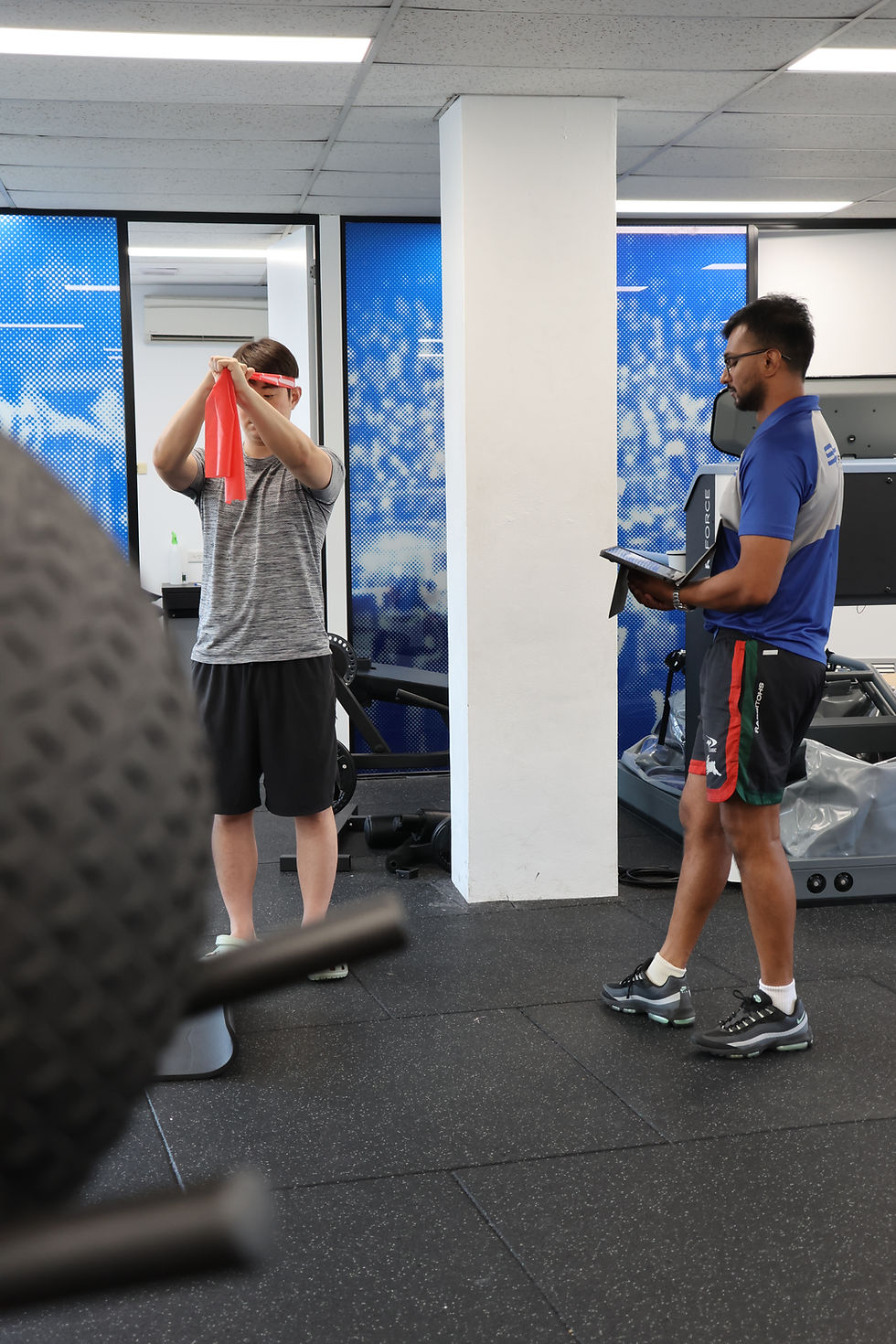
Then comes physical testing. Range of motion, strength through relevant positions, control of the joint under load, and reproduction of the painful task where it is appropriate to do so. For a lower limb problem that often means watching you squat, hop, land and run, not just lie on a bed. For a shoulder it might mean loading the arm overhead or in a throwing position.
You should leave the first appointment knowing what the working diagnosis is, what is driving it, what the plan looks like, and whether imaging or a GP or specialist referral is worth considering. Scans are useful for some presentations and unhelpful for others, and we will explain which category yours sits in.
Measuring instead of guessing
Eyeballing strength is unreliable, particularly once pain settles and the limb feels normal again. That is why we use objective testing equipment at Five Dock.
The VALD ForceFrame measures isometric strength in set positions, so we can compare left and right in kilograms rather than by feel. Common uses include hamstring, hip adductor and abductor, and quadriceps testing. The AxIT force plates measure how much force each leg produces and absorbs during squats, jumps and landings, which picks up the side-to-side differences people tend to hide without realising.
Those numbers do two jobs. They give a starting point, and they give something to re-test every few weeks so you can see whether the program is shifting the thing it is meant to shift. For anyone returning from an ACL reconstruction, a hamstring strain or a stress-related bone injury, that record is the backbone of return-to-sport decision making.
What a session involves
Sessions are one-to-one with no double-booking, so your physiotherapist is with you for the whole appointment rather than moving between rooms.
Hands-on work has a place. Soft tissue work, joint mobilisation and dry needling are used to make movement more comfortable so the loading work can happen, not as the treatment in isolation. The bulk of most sessions is exercise: loading the injured tissue in a graded way, correcting the control problem that sits underneath it, and building capacity in the gym space.
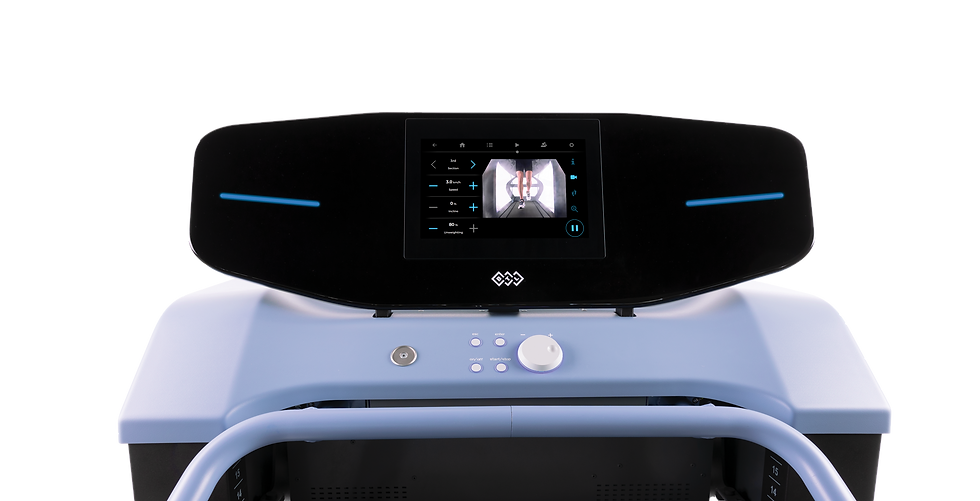
The gym matters. Running mechanics, sled work, jump and landing drills and heavy strength work need space and equipment, and they are difficult to do properly in a treatment cubicle. We also have an anti-gravity treadmill, one of the first installed in Australia, which reduces the percentage of bodyweight going through the legs so running can sometimes be reintroduced earlier in a bone stress or post-operative plan. Shockwave therapy is available for some stubborn tendon presentations, used alongside a loading program rather than instead of one.
Return to sport, and the part people skip
The riskiest period for most athletes is the fortnight after they feel better. Pain settles well before tissue capacity returns, and that mismatch is where re-injury tends to happen.
A criteria-based return means you progress when you hit markers, not dates. Those markers depend on the injury, but typically include strength within a defined range of the other side, tolerance of sport-specific speed and change of direction, and completing a sequence of full training sessions without reaction the next day. We will also talk through how to manage the first few games back, because minutes played in week one is a decision, not an accident.
Funding and when to come in
We see private patients, CTP and workers compensation claims, NDIS participants and EPC/Medicare referrals from your GP.
Worth getting assessed if pain has lasted more than a week or two, if you felt a sharp pull during sprinting, if a joint gave way or swelled quickly, or if the same injury keeps returning each season. If you are training for an event and something has started to niggle, earlier is easier to work with than later.
If you want to know what is going on and what the plan would look like, book an assessment at our Five Dock clinic.
Read more about our general services.
If you would like it assessed at our Five Dock clinic, you can book a free injury assessment.


Comments