
Injured skiing in Japan? Getting home and rehab in Sydney


If you hurt yourself skiing or snowboarding in Japan, get assessed on the day, collect copies of every report and scan, ring your travel insurer before you change flights, and check you are fit to fly. Then start rehab as early as you can, first on the mountain and then at home in Sydney.
Planning a snow trip to Japan this summer?
Sydneysiders are spoiled for summer: beaches, barbecues and long school holidays. But more and more locals are trading all that for powder. The Japanese season runs from about December to March, there are direct flights from Sydney, and resorts like Hakuba and Niseko are known for deep, dry snow. It's a brilliant trip with one catch. A few months of Sydney summer rarely prepares your knees for a week of long days on the mountain, and that is when injuries tend to happen.
What should I do if I get hurt in Japan?
The knee is the most commonly injured part of the body in recreational skiers (Davey et al., Sports Health, 2019), and being hurt in another country, with a language barrier and a long flight home, makes a bad situation harder. SportsFit works with Peak Sports Physio Hakuba, which treats knee injuries on the mountain and hands your care over to us when you get home. Below is what to do first, how to get home, and what rehab looks like once you're back in the Inner West.
What should I do in the first 48 hours?
Get the injury assessed on the day if you can. Swelling and muscle guarding can hide what is going on inside a knee, so an early look gives you a clearer answer.
Get off the hill safely. Don't ride or ski down on a damaged leg. Ski patrol is there for exactly this.
Find a clinician. The bigger Japanese resorts have English-speaking physios and doctors, and your hotel can usually point you to one.
Protect the joint. Rest it, elevate it and use gentle compression as advised. You may need crutches or a brace, depending on the injury.
Write down what happened. Note the time, how you fell and what you felt in the moment.
Collect your paperwork. Reports and imaging aren't handed over automatically in Japan, so ask for copies of both, digital or paper. The physios at Peak Sports Physio Hakuba can email a report straight to you.
Call your insurer early. Most travel insurers run an emergency line, and a call before you rebook flights or accommodation protects your claim.
How do I get home with an injury?
Ask your treating clinician for written documentation to support your insurance claim. The direct flight to Sydney takes roughly nine to ten hours, and after a leg injury the main concerns are swelling and the risk of a blood clot, so check with them that you're fit to fly before you book.
Keep every receipt, report and scan together for your claim.
Ask your insurer early about changing your flight date or your seat.
Your physio at Peak Sports Physio Hakuba can send your records to us so we can plan your rehab from the first visit, or refer you to an orthopaedic surgeon.
When should rehab start, and what does it involve?
Rehab should start in Hakuba and carry on with us once you're home. The early priorities are:
Settling swelling with ice, compression and gentle physiotherapy.
Using crutches and a brace correctly, so you keep walking normally and don't pick up habits that are hard to undo later.
Getting movement and muscle activation back early.
With an ACL injury, that early work matters whether or not you end up having surgery.
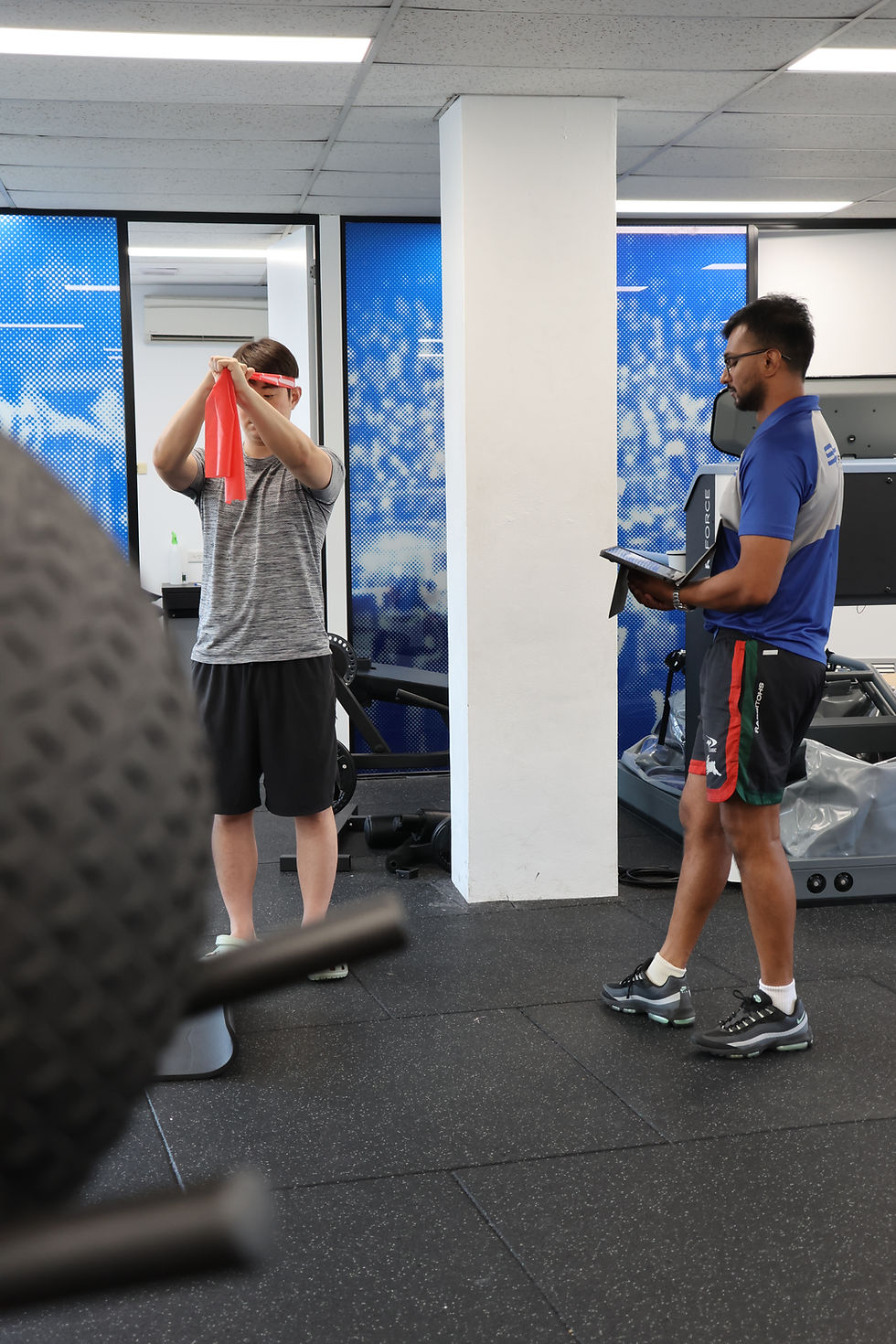
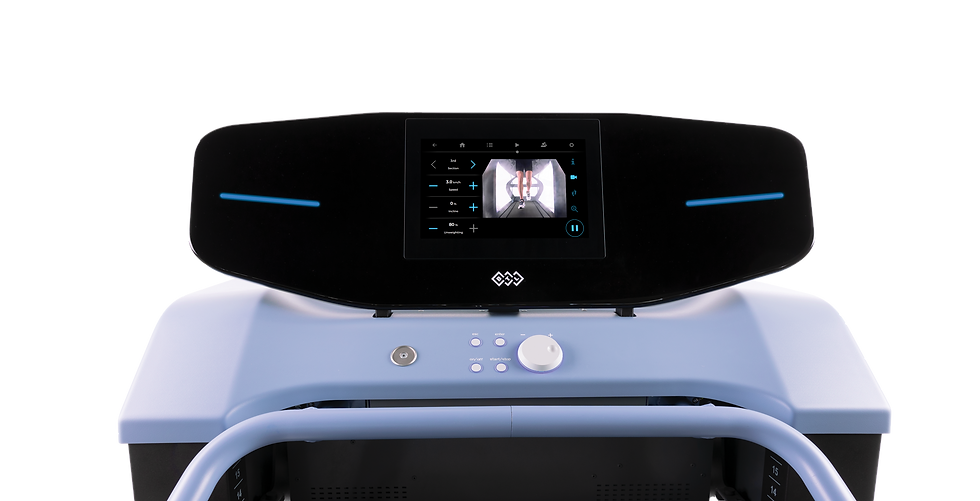
At SportsFit our physiotherapists run a dedicated ACL rehab program for people who have had a reconstruction, are waiting for surgery, or are managing the tear without it. We track recovery with objective testing, including VALD ForceFrame strength testing of the quads and hamstrings at Five Dock.
Progress follows testing, not the calendar. Most people need 9 to 12 months from ACL surgery to a return to competitive sport, recovery varies from person to person, and your surgeon guides the timeline.
How can I lower my risk of injury on the snow?
A few weeks of preparation before you fly is time well spent.
Build a base. Give yourself 6 to 12 weeks to build quad, hamstring, glute and calf strength, plus endurance, balance and general fitness.
Know your sport. Skiers more often injure knee ligaments and the meniscus (ACL, MCL), while snowboarders more often hurt their wrists and shoulders falling onto an outstretched hand.
Get gear that fits. Skis or a board and boots should suit your height, weight and ability, with bindings set by a professional.
Protect yourself. A well-fitted snow-sports helmet for everyone, wrist guards for beginner snowboarders, and padded shorts or knee pads if you like them. After a knee injury, ask a physio before relying on a brace.
Warm up. Spend 5 to 10 minutes on squats, lunges, calf raises, leg swings and single-leg balance before your first run, and again after long breaks.
Manage the week. Eat, drink and sleep well, schedule a rest day on longer trips, and stop riding if you have significant pain, swelling or the knee gives way.
If you've hurt a knee or ankle before, our sports physiotherapy team can test your strength before you fly, so you know where the gaps are.
Frequently asked questions
Should I have surgery in Japan or back home in Australia?
Usually at home. Peak Sports Physio Hakuba advises having surgery in Australia unless the injury makes travel unsafe, and their guide to ACL rehab or surgery walks through the decision. Your surgeon and physio will help you make it.
Will my travel insurance cover treatment in Japan?
Most travel insurance policies cover medical treatment overseas, but cover varies and some budget policies exclude snow sports. Check your policy before you go, and call your insurer as soon as you are hurt.
Can I keep skiing for the rest of my trip?
Only after an assessment. Some injuries can be managed with treatment, bracing or support, but don't ski on a knee that gives way.
Do I always need surgery for an ACL tear?
Not always. Depending on your age, activity and goals, some people do well with structured rehab alone. It takes a proper assessment to know which path suits you.
How soon can I see you when I get home?
As soon as you can. Book online, or call Five Dock on (02) 8054 3775 or Gladesville on (02) 7232 2950. Bring your reports and imaging from Japan so we can plan your rehab.
How long until I can ski again after an ACL reconstruction?
Most people need 9 to 12 months. We base the decision on objective strength and movement testing rather than the calendar, recovery varies between people, and your surgeon guides the timeline.
About SportsFit Health & Rehab
SportsFit Health & Rehab is a sports physiotherapy clinic in Sydney with two locations: 162-164 Great North Road, Five Dock, and 256 Victoria Road, Gladesville. Our team treats sports injuries, knee, shoulder and back problems, and rehab after surgery, with a particular focus on ACL rehab. Call Five Dock on (02) 8054 3775 or Gladesville on (02) 7232 2950, email hello@sportsfithealthandrehab.com.au, or follow us on Instagram at @sportsfit_innerwest.
About Peak Sports Physio Hakuba
Peak Sports Physio Hakuba is a snow-sports injury clinic with two locations. At Happo, the clinic is inside the Hakuba Gateway Hotel, 150 m from the Nakiyama lifts. At Norikura it is on the ground floor of The Butter Hotel, serving the Tsugaike, Norikura and Cortina resorts. You can book online, walk in, or ask for a same-day appointment where possible, with free pick-up and drop-off, and travel insurance is accepted. Book with Peak online or follow them on Instagram at @peakphysiohakuba.
Written by the SportsFit Health & Rehab team with Peak Sports Physio Hakuba, 18 November 2026. This article is general information only and is not a substitute for an individual assessment. Outcomes vary from person to person. If you have an injury, see a health professional for advice about your situation.

Comments