
Hip Pain Physio in Gladesville: A Guide


Hip pain is a region, not a diagnosis
People booking hip pain physio in Gladesville usually point to one of three places: the bony bit on the outside of the hip, deep in the front crease of the groin, or around the back near the glute and sit bone. Those three locations point to fairly different problems, and they respond to fairly different rehab. A runner with lateral hip pain that flares when they sleep on that side is dealing with something unrelated to a footballer who feels a pinch deep in the groin on a change of direction.
So the first job in an assessment is narrowing down which structure is irritated and what has been loading it.
Lateral hip pain and gluteal tendinopathy
Pain on the outside of the hip, over the greater trochanter, is most often gluteal tendinopathy, an irritation of the gluteus medius and minimus tendons where they attach. It is common in women over 40, in runners who have recently increased mileage or hills, and in anyone who has had a long layoff and then returned to walking or jogging quickly.
The giveaways are tenderness when you press directly on the bone, pain lying on that side at night, and pain when you stand with your weight shifted onto one leg or cross your legs. Compression of the tendon against the bone tends to aggravate it, which is why sitting cross-legged, sleeping on the side and standing hip-dropped are often worse than running itself.
Rehab usually centres on reducing those compressive positions early, then progressively loading the hip abductors. Isometric holds, then slow heavy work, then weight-bearing and running-specific loading. Tendons respond to graded load over months, not days, and that timeline is worth knowing up front.
Deep groin pain, hip impingement and labral irritation
Pain felt deep in the front of the hip, often described by cupping a hand around the crease, can relate to femoroacetabular impingement, labral irritation or hip joint stiffness. Athletes in soccer, AFL, hockey and BJJ see it more than most, because deep flexion combined with rotation is part of the sport.
Typical reports include pinching at the bottom of a squat, discomfort getting in and out of the car, and an ache after sitting through a long meeting. Clicking on its own is not necessarily a problem. Clicking plus pain plus loss of range is worth assessing.
Imaging has a place here, but scans of asymptomatic athletes frequently show cam morphology and labral changes, so findings need to be read against what the hip actually does in testing.
Hip flexor and adductor-related pain
Sudden-onset groin pain during a sprint, a kick or a lunge is more likely a muscle strain, commonly adductor longus or the hip flexor group. These usually have a clear moment of injury and a specific sore spot that hurts on resisted testing.
The recurrence rate is the issue. Adductor-related groin pain often returns if the athlete goes back to kicking and changing direction before adduction strength has caught back up, which is why we measure it rather than guess.
How we assess hip pain at Gladesville
A first appointment at our Gladesville clinic runs one to one, with no double-booking, so there is time to actually test things rather than hand you a sheet.
Expect a history that covers training load over the past six to twelve weeks, then range of motion testing, palpation, and provocative tests such as FADIR and FABER for the joint, single-leg stance and adduction squeeze tests for the soft tissue. We use the VALD ForceFrame to measure hip abduction, adduction and often hip flexion strength in kilograms, side to side. That gives a number to compare across sessions instead of relying on how the hip feels on the day, and it tends to show asymmetries that manual testing misses.
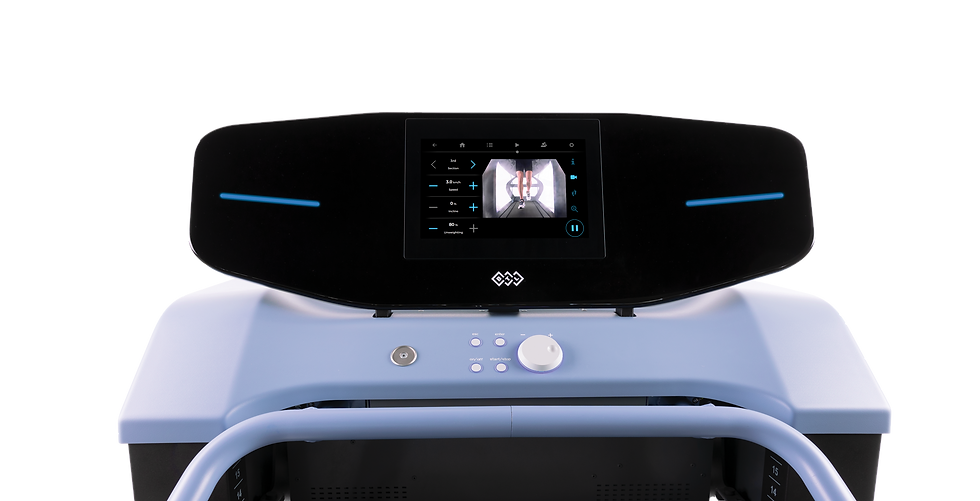
For runners, we will usually watch you run. If running currently hurts, the anti-gravity treadmill lets us reduce body weight through the hip and still look at your mechanics, and in some cases keep some running volume going while loading tolerance builds.
What a session looks like
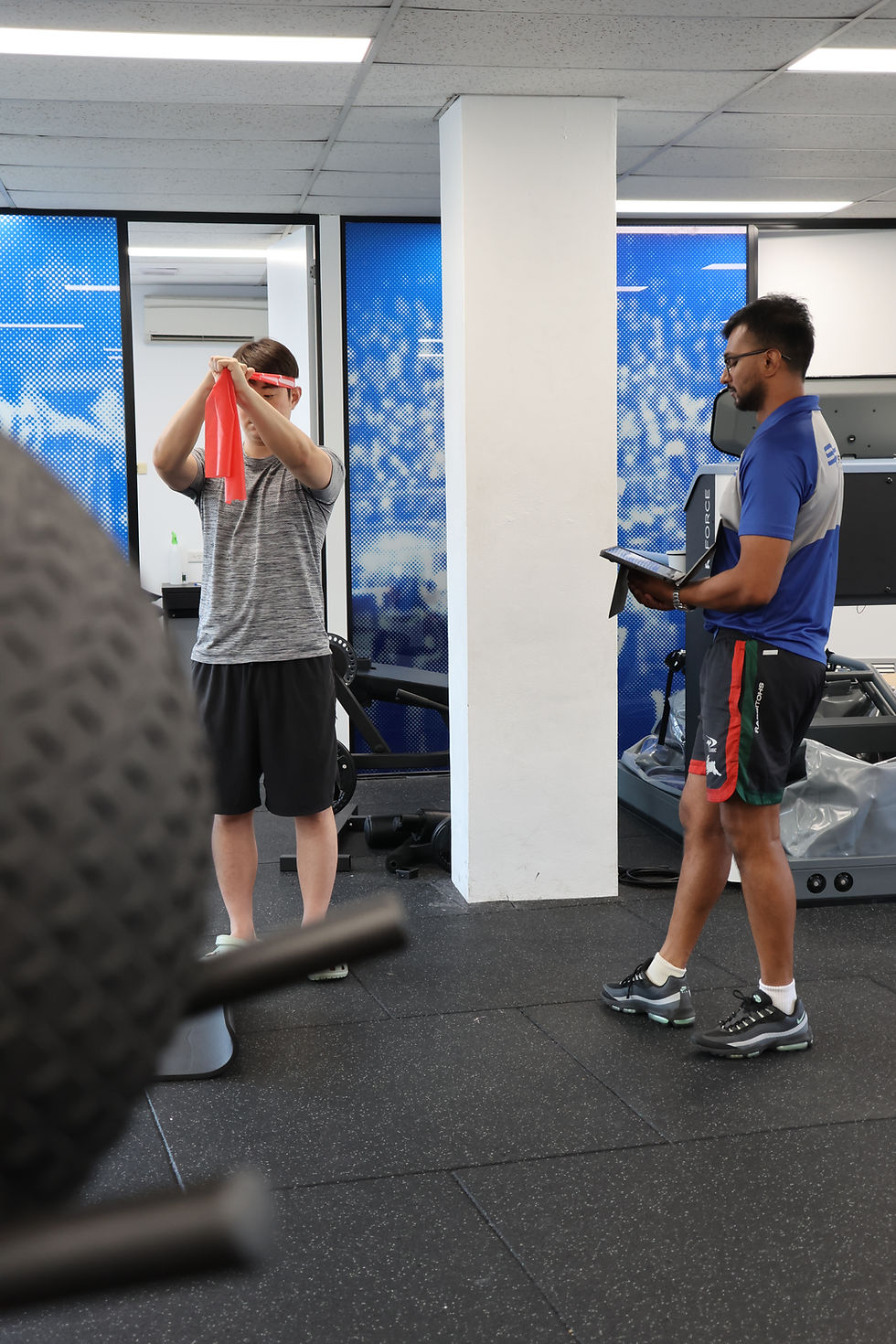
After assessment, sessions typically combine hands-on work to settle symptoms with loaded exercise in the gym space. That might be Copenhagen progressions for the adductors, banded abduction work, split squats and step-downs, hip-dominant hinge patterns, then on-feet drills as things improve. You will leave with a small number of exercises and a clear instruction on what load to keep, modify or park for the moment.
Review appointments re-test the same strength numbers so decisions about returning to training are based on something measurable.
If hip pain has lasted more than a couple of weeks, is waking you at night, or keeps cutting your runs short, it is worth having it assessed properly.
Private health, CTP, workers compensation, NDIS and EPC/Medicare referrals are all accommodated at Gladesville.
Read more about our lower limb services.
We go deeper on lower limb at innerwestantigravitytreadmill.com.au.
If you would like it assessed at our Gladesville clinic, you can book a free injury assessment.

Comments