
The Benefits of Using an Anti-Gravity Treadmill for ACL Rehabilitation

Sports Physiotherapy in Five Dock, Sydney
Recovering from an ACL injury or reconstruction can be one of the most challenging journeys for an athlete. One of the biggest hurdles is progressing back to running and sport safely — without overloading a healing knee too early.
What Is an Anti-Gravity Treadmill?
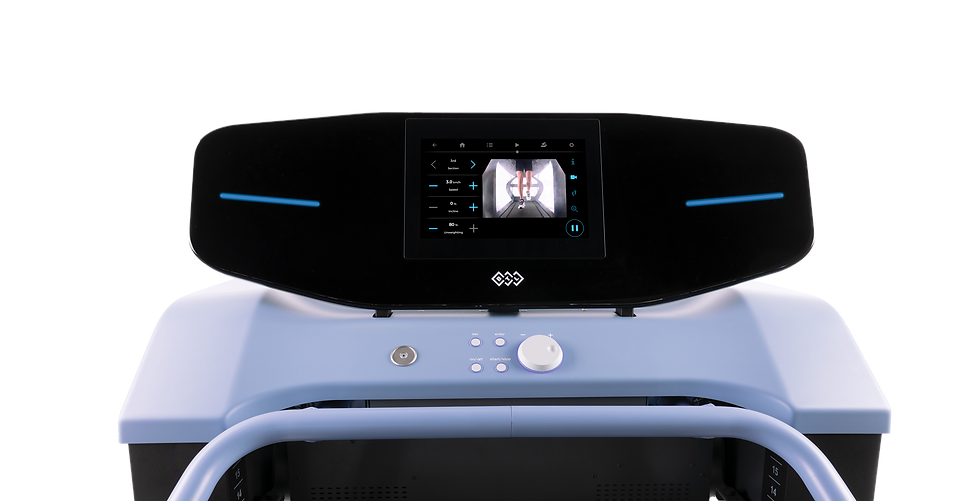
An anti-gravity treadmill allows patients to walk or run at a reduced percentage of their body weight. Using differential air pressure technology, it supports the lower body so you can move with less impact through the knee joint while maintaining a normal gait pattern.
For ACL rehabilitation, this creates a unique opportunity to begin controlled movement earlier while protecting healing tissues. Instead of waiting until full loading is tolerated, physiotherapists can gradually increase stress through the knee in a safe and measurable way.

Why Anti-Gravity Treadmills Are Valuable in ACL Rehabilitation
1. Gradual Load Progression Without Overloading the Knee
One of the biggest challenges after ACL reconstruction is knowing when to progress into running. Too early — and the knee may become irritated. Too late — and strength, coordination and confidence may fall behind.
An anti-gravity treadmill allows physiotherapists to precisely adjust body weight support. Patients may start at a reduced load and gradually progress toward full body weight as strength and control improve. This progressive exposure helps maintain movement quality while reducing excessive joint stress.
2. Reducing Quadriceps Atrophy and Improving Balance
Quadriceps weakness is one of the most common issues following ACL surgery and can significantly delay return to sport. Controlled running in a partially unloaded environment helps maintain muscle activation and movement confidence during earlier phases of rehab.
Because patients can move with less pain and fear, they often demonstrate improved balance, coordination and knee function as they progress through later rehabilitation stages.
3. Earlier Introduction of Running Mechanics
Running mechanics are a critical component of ACL rehabilitation — but traditional rehab often delays running drills due to concerns around joint loading. Anti-gravity treadmills allow these patterns to be introduced earlier in a controlled environment.
A key advantage is the ability to begin foundational drills such as penguin marches, pogos, ankle skips and hip-cycling patterns while body weight is reduced. These drills help retrain ankle stiffness, rhythm and elastic recoil, all essential components of efficient sprint mechanics.
Developing ankle stiffness and coordinated lower-limb timing allows athletes to absorb and redistribute forces more effectively through the ankle and hip rather than overloading the knee. This is particularly important during acceleration and change-of-direction tasks common in field sports.
By practising these patterns in a partially unloaded environment, patients can focus on technique and timing without excessive joint stress. Over time, this translates to smoother acceleration mechanics, improved force transfer and greater confidence when transitioning back to full-weight-bearing running and field-based sprint work.
4. Maintaining Fitness During Rehabilitation
Loss of cardiovascular fitness is a major frustration for athletes recovering from ACL injuries. Because the anti-gravity treadmill reduces joint stress, patients can continue walking or running with less discomfort — helping maintain aerobic capacity throughout the rehab process.
For many athletes in Sydney’s Inner West who play AFL, football, rugby or cricket, maintaining running fitness is a key factor in returning to sport successfully.
5. Objective Progression for Return-to-Sport
At SportsFit Health & Rehab, the anti-gravity treadmill is not used in isolation — it forms part of a structured ACL rehabilitation pathway.
Physiotherapists can gradually increase:
Body-weight loading
Running speed
Duration and intensity
Incline
Movement complexity
This creates a clear and measurable progression toward full return-to-sport testing, helping athletes build confidence while reducing unnecessary risk.
6. It’s Fun — And That Matters More Than You Think
One of the toughest parts of ACL rehabilitation isn’t always the physical challenge — it’s the mental side of being restricted from the activities you love. Running, sprinting and moving freely are often taken away for months, and many athletes feel frustrated or disconnected from their sport during this period.
At SportsFit Health & Rehab, we’ve guided countless ACL recoveries, and one of the most common things we hear is: “I just want to run again.” The anti-gravity treadmill provides a safe opportunity to reintroduce that feeling earlier in the rehab journey.
Being able to walk or run in a controlled, supported environment helps restore confidence and motivation. Instead of rehab feeling repetitive or limited, patients can experience real forward progress — which often improves consistency, engagement and overall enjoyment of the rehabilitation process.
While the technology is grounded in biomechanics and load management, there’s also a simple truth: when rehab feels enjoyable, people are more likely to commit to it — and better outcomes often follow.
Ready to Progress Your ACL Recovery?
If you’re recovering from an ACL injury or surgery and want a safer, more progressive way to return to running, the anti-gravity treadmill may be the missing link in your rehab journey.
Book an Anti-Gravity Treadmill assessment at SportsFit Health & Rehab and take the next step toward returning to sport with confidence.


Comments