
Sports Injury Podiatry vs Physio in Five Dock


Where podiatry and physiotherapy actually divide
Most people searching for sports injury podiatry in Five Dock have a foot that has started complaining during running, football training or a Hyrox block, and they are not sure who to book with. The two disciplines overlap more than they compete.
Podiatrists are trained in the foot and ankle specifically: structural assessment, nail and skin problems, footwear prescription, orthotic design and manufacture, and conditions like Morton's neuroma or chronic forefoot deformity. Sports physiotherapists work on the injured tissue itself, the strength and capacity sitting behind it, and the staged return to running, cutting and jumping.
At our Five Dock clinic we assess and rehabilitate foot and ankle sports injuries as physiotherapists. Where orthotic prescription or detailed footwear modification looks like the right next step, we refer to a podiatrist and keep working on the loading side alongside them.
The foot and ankle injuries we see most
The pattern changes with the season, but the regulars are consistent:
Plantar heel pain, usually after a jump in running volume or a switch to flatter shoes
Achilles tendinopathy, both midportion and the insertional kind that hates hills and heel-strike
Peroneal and tibialis posterior tendinopathy, common in players coming back from repeated ankle sprains
Bone stress injuries in the metatarsals, navicular and calcaneus, mostly in runners and court athletes
First MTP joint sprains (turf toe) and sesamoid irritation from sprinting in football boots
Lateral ankle sprains and high ankle (syndesmosis) injuries
Some of these need imaging before anyone starts prescribing exercise. Focal tenderness on a bone, pain that wakes you at night, or pain that builds within a run rather than settling after a warm-up all raise the question of bone stress, and we organise or request imaging rather than guessing.
What assessment involves
The history does most of the diagnostic work. We want weekly running kilometres for the last month or two, not an average. What changed: new shoes, a surface switch from grass to synthetic, a pre-season that doubled in a fortnight, a return from a layoff. We ask where the pain sits to the millimetre and what it does across a session, because a tendon that warms up and a bone that worsens behave very differently.
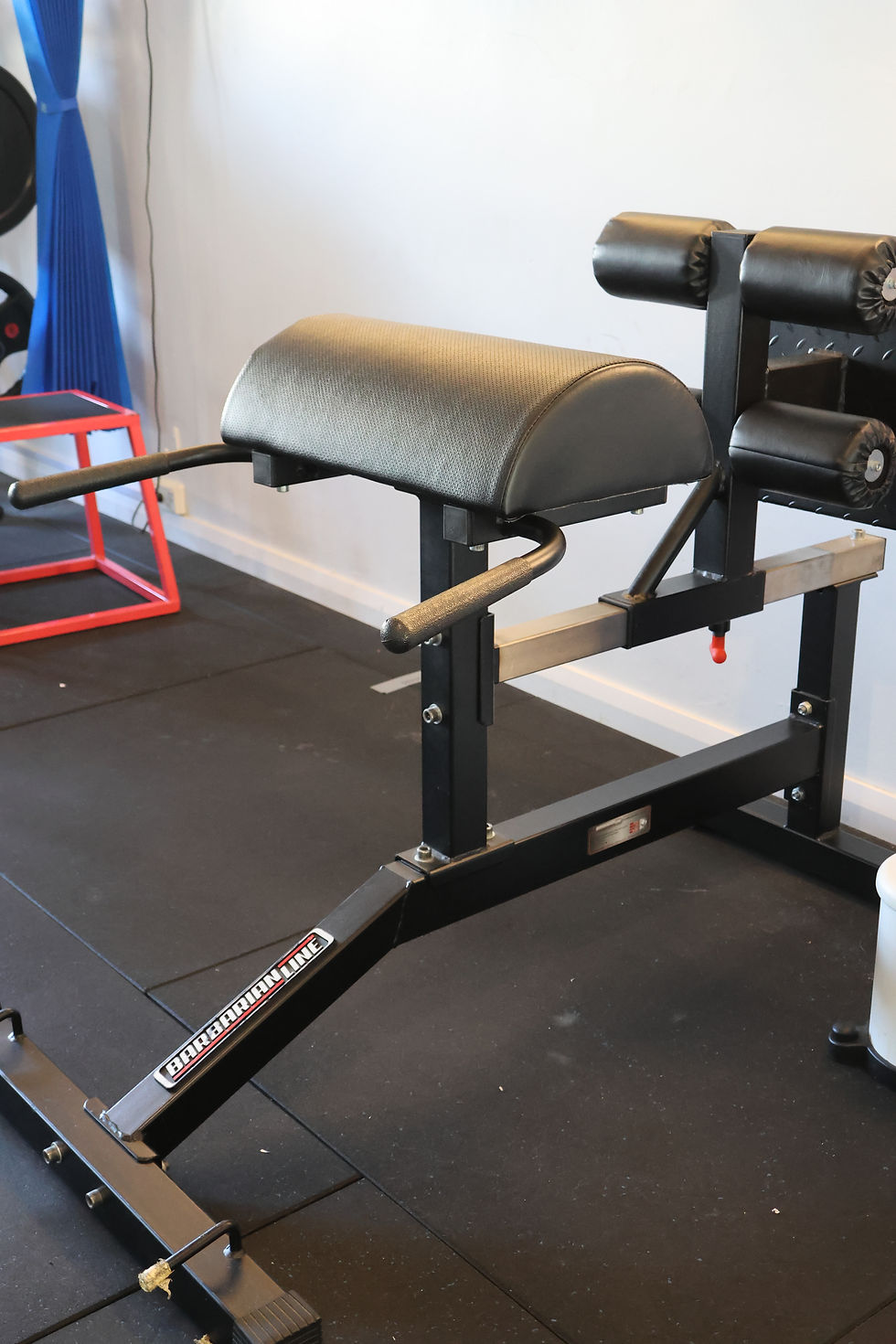
The physical assessment usually includes ankle dorsiflexion measured in centimetres with a knee-to-wall test, single leg heel raises counted to fatigue, hop and landing quality, palpation of the specific tendon or bone, and a look at how the hip and calf are sharing the load. Our Five Dock gym has AxIT force plates and a VALD ForceFrame, so calf and hip strength can be recorded as numbers rather than estimated by hand. That matters later, when you want to know whether the injured side has actually caught up or just stopped hurting.
We also look at your shoes. Wear pattern, midsole collapse, stack height and how recently you bought them tell us plenty about the loading environment the foot has been working in.
What a session looks like
Appointments are one-to-one with no double-booking, so the whole session is spent with you rather than split across rooms. A typical first visit covers the history and physical assessment, an explanation of what we think is going on and what we are not yet sure about, and the first version of a loading plan.
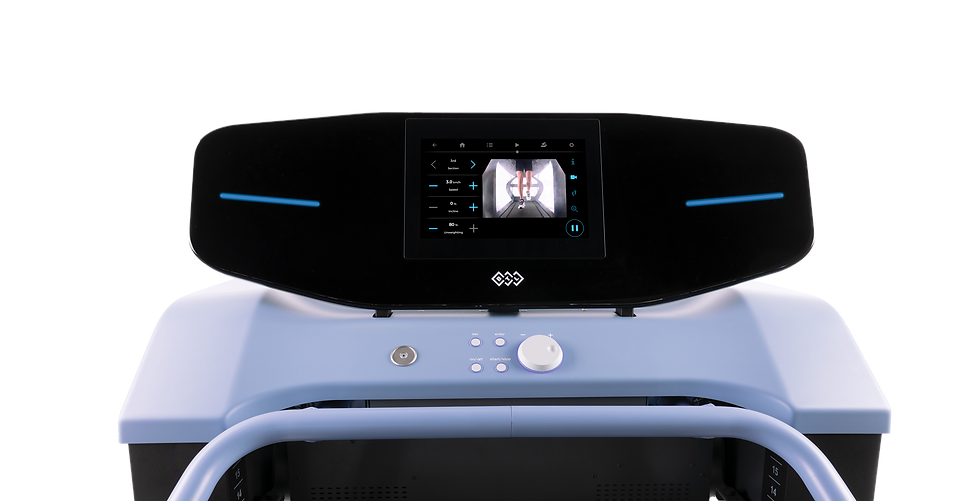
Treatment is generally a combination of load adjustment, progressive strength work for the calf, foot and hip, and hands-on work where it helps symptoms enough to let you train. For stubborn insertional Achilles and plantar heel pain, shockwave therapy is one option we may discuss as part of a wider plan. We also have an anti-gravity treadmill, which lets you run at a set percentage of bodyweight, useful when you can tolerate some running but not all of it, and when you want to keep aerobic fitness while the tissue settles.
Return to running and sport
We prefer criteria over calendars. For a calf or Achilles problem that usually means heel raise numbers approaching the uninjured side, hopping tolerance, and the ability to complete a run-walk progression without next-day symptoms. For forefoot bone stress it means graded weight-bearing, a conservative return built around the imaging and the medical advice, and close attention to how symptoms behave in the 24 hours after each step up.
We write the plan down with the actual numbers in it. Ten minutes of continuous running is a target you can test. Feeling better is not.
When to get it looked at
Book an assessment if foot pain has not settled within a week or two of backing off, if you are limping or altering your gait to run, if there is sharp pain over a single point on a bone, or if the same tendon has flared three seasons in a row. Early foot injuries are usually simpler to load correctly than late ones.
If you are in Five Dock or the surrounding Inner West and unsure whether your foot problem belongs with a physiotherapist, a podiatrist, or both, come in for an assessment and we will tell you what we find.
Read more about our lower limb services.
We go deeper on lower limb at innerwestantigravitytreadmill.com.au.
If you would like it assessed at our Five Dock clinic, you can book a free injury assessment.

Comments