
Plantar Fasciitis Treatment in Gladesville: A Guide


What plantar fasciitis actually is
If you're searching for plantar fasciitis treatment in Gladesville, you're probably dealing with a sharp or bruised ache under the heel that is at its worst for the first ten or twenty steps in the morning, eases as you warm up, then returns after a long day on your feet or the evening after a run.
The plantar fascia is a thick band of connective tissue running from the underside of the heel bone forward to the base of the toes. It works like a tension cable across the arch, storing and releasing energy every time you push off. When the load going through that cable outgrows what it has been prepared for, the tissue at its attachment on the heel becomes irritated and sensitised.
The name is slightly misleading. "Itis" implies inflammation, but on imaging and histology, longer-standing cases usually look more like degenerative tissue change than acute inflammation — which is why clinicians increasingly use the term plantar heel pain or plantar fasciopathy. That distinction matters, because it changes the emphasis of management from purely settling things down to progressively rebuilding load tolerance.
The load story behind it
Plantar heel pain rarely arrives out of nowhere. When we take a history at our Gladesville clinic, there is almost always a change in the weeks beforehand:
A jump in running volume or a shift to faster sessions and hill work
Return to pre-season football, netball or touch after a quiet summer
New footwear, or moving from a cushioned shoe to something flatter
A change in work — more standing, more walking on hard surfaces, or a new job on a warehouse floor
Bodyweight change, or a period of reduced activity followed by a rapid return
Calf and Achilles stiffness commonly sit in the background. If the ankle can't dorsiflex well, the foot tends to find range elsewhere, and the fascia pays for it.
What assessment looks like
A first appointment is one-to-one, and no session is double-booked, so there is time to actually test things rather than guess.
We start with the history — pattern of pain through the day, what aggravates and eases it, training and work load, footwear, previous foot or ankle injuries. Then a physical examination: palpation of the medial calcaneal attachment, a windlass test, ankle dorsiflexion range with the knee straight and bent, calf endurance, single-leg heel raise capacity, big toe extension, and how you load through the foot in walking, hopping and running.
We also screen for the conditions that mimic plantar fasciitis, because getting this wrong wastes months. A calcaneal stress fracture, fat pad irritation, Baxter's nerve entrapment, tarsal tunnel syndrome, insertional Achilles tendinopathy and referred pain from the lumbar spine can all present as heel pain. Night pain, pain that doesn't warm up, or pain reproduced by squeezing the heel from both sides all change our thinking and may prompt a referral for imaging.
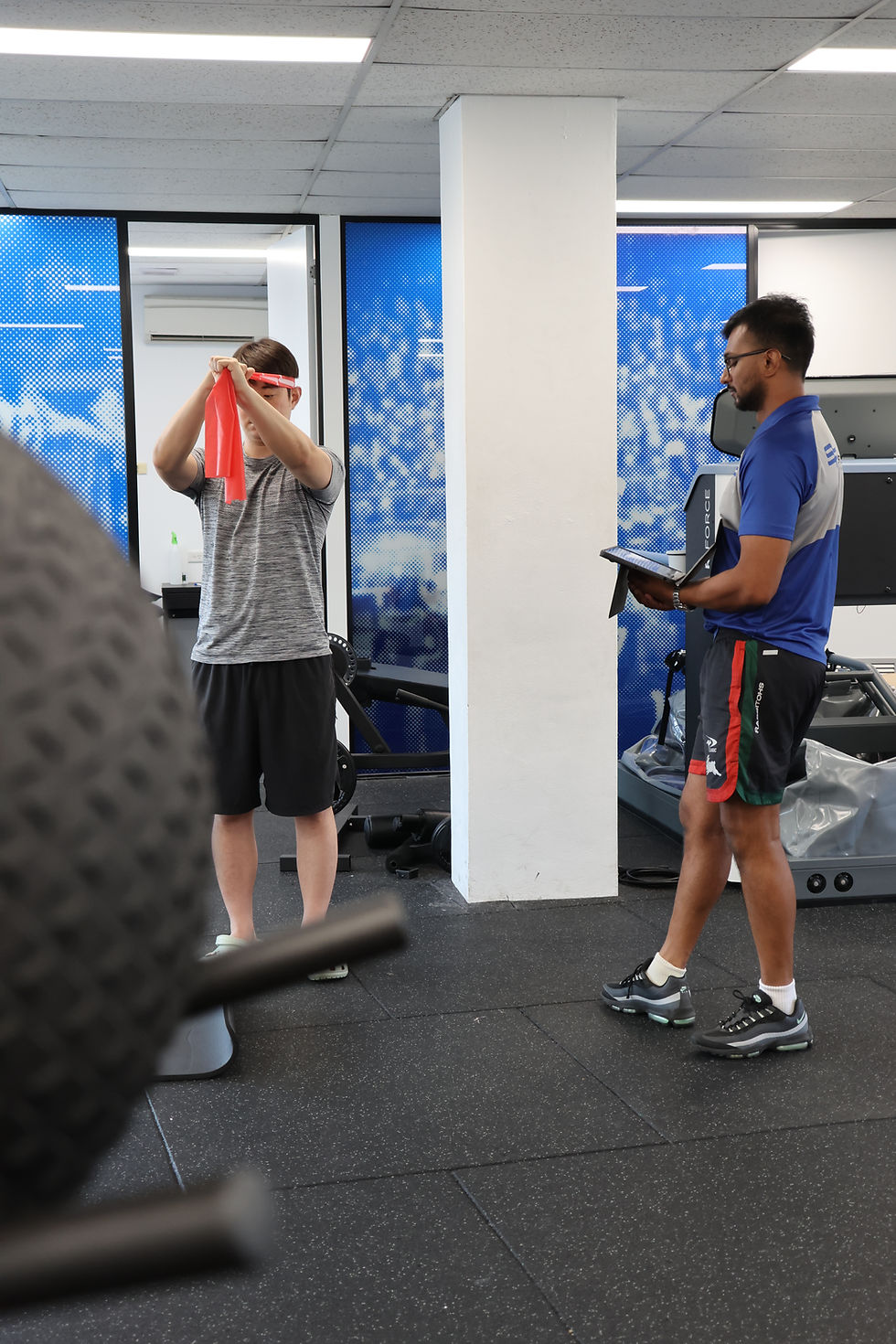
Where it's useful, we use force plate testing to measure how much each leg is actually contributing in a squat, jump or hop, and calf strength testing to compare sides objectively. Numbers give us a baseline to re-test against rather than relying only on how the heel feels on the day.
Treatment approaches we use
There is no single fix, and anyone promising one is overselling. Management is usually a combination of the following, weighted to your presentation:
Load management. Not rest — adjustment. That might mean temporarily reducing running volume while keeping intensity work that doesn't provoke symptoms, or changing the surfaces and shoes you spend the most time in.
Progressive loading. Calf and foot strengthening, often starting with isometric holds and heel raises, then adding range under the toes and building toward heavier, slower loading. The aim is a foot and calf complex that tolerates more than your sport asks of it.
Manual therapy and soft tissue work. Useful for the calf, plantar surface and ankle joint to improve comfort and range, best used alongside loading rather than instead of it.
Taping and footwear advice. Low-dye taping or a temporary orthotic can reduce tension through the fascia while strength catches up.
Shockwave therapy. For stubborn cases that haven't responded to several weeks of appropriate loading, focused shockwave is an option we can discuss. It's used as an adjunct alongside exercise, not a standalone treatment, and we'll be clear about what the evidence does and doesn't show for your situation.
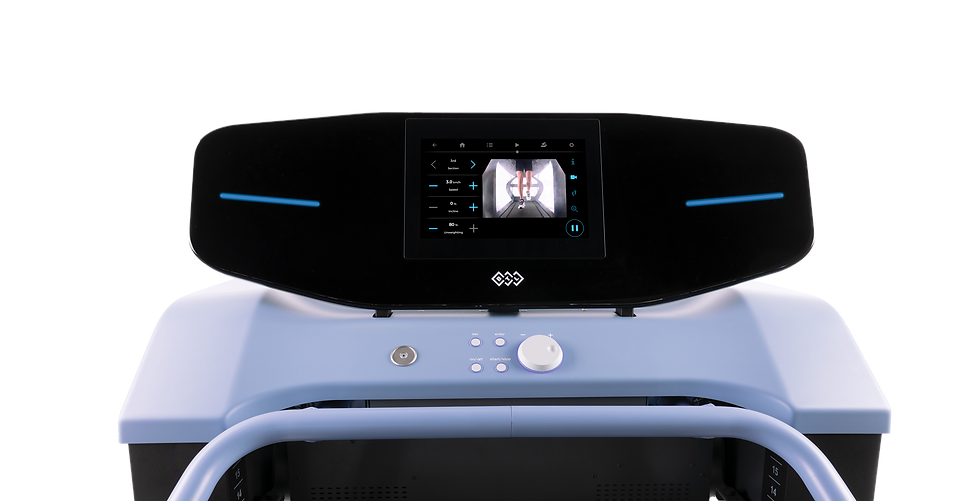
Anti-gravity treadmill. For runners, this lets us reintroduce running mechanics at reduced bodyweight, so you can keep training a running pattern while total load through the heel stays manageable, then step the percentage up as capacity improves.
Timeframes and honest expectations
Plantar heel pain is often slow. Some people notice change within a few weeks; others with long-standing symptoms take considerably longer, and the trajectory is rarely a straight line. What we can do is measure your capacity, progress load deliberately, and re-test so decisions are based on data rather than hope.
It's worth being seen early rather than waiting out a season. Six weeks of guessing usually costs more time than one proper assessment. If your heel has been hurting for more than a fortnight, is limiting how you train, work or play, or keeps flaring every time you build back up, come in and have it assessed properly.
Read more about our lower limb services.
We go deeper on lower limb at innerwestantigravitytreadmill.com.au.
If you would like it assessed at our Gladesville clinic, you can book a free injury assessment.
Comments