
Meniscus Tear Treatment in Five Dock: Physio Guide


What the meniscus actually does
Each knee has two menisci, C-shaped wedges of fibrocartilage sitting between the thigh bone and the shin bone. They spread load across the joint surface, add depth to a fairly flat tibial plateau, and help the knee stay stable through rotation. The outer third has a decent blood supply. The inner two thirds have almost none, which is why the location of a tear matters as much as its size.
People searching for meniscus tear treatment in Five Dock usually arrive with one of two stories. The first is a single moment: a twist under load in a football or netball game, a knee that swelled over the next 12 to 24 hours, and a joint that now catches or clunks. The second is slower. Nothing dramatic happened, the knee has been grumbling for months, squats and stairs feel gritty, and an MRI has come back mentioning a degenerative tear.
How the two patterns differ
Traumatic tears tend to happen in a planted foot with the knee bent and rotating, often alongside other damage. If the ACL went at the same time, the swelling is usually faster and larger. These are the tears where the pattern of the tear, the age of the patient and the sport all feed into the surgical conversation.
Degenerative tears are common in knees over 40 and are frequently found on imaging in people with no symptoms at all. That matters because an MRI report showing a tear does not automatically identify the source of the pain. Knee pain in a 45-year-old touch football player can come from the tear, from the joint surface around it, from a reactive quad and calf that stopped doing their job, or from a training load that jumped too fast.
Symptoms worth taking seriously
A knee that locks and will not straighten fully needs prompt review. A displaced meniscal fragment can physically block extension, and that presentation is handled differently to a knee that is simply sore and stiff. Persistent joint line pain on the inside or outside of the knee, swelling that returns every time you play, giving way on turns, and a sharp catch when you squat deep are all worth assessing rather than pushing through.
What assessment looks like
At our Five Dock clinic, a knee assessment starts with the mechanism. What position was the knee in, how much load was going through it, how quickly did it swell, and what has it done since. That history narrows the field before anyone touches the knee.
From there we look at effusion, range of movement in both directions, joint line tenderness, and how the knee behaves through weight-bearing rotation. Tests like McMurray's and Thessaly are useful pieces of information rather than verdicts on their own, so they get combined with what the rest of the leg is doing. We also check the ligaments, because a meniscal injury and an ACL injury can travel together.
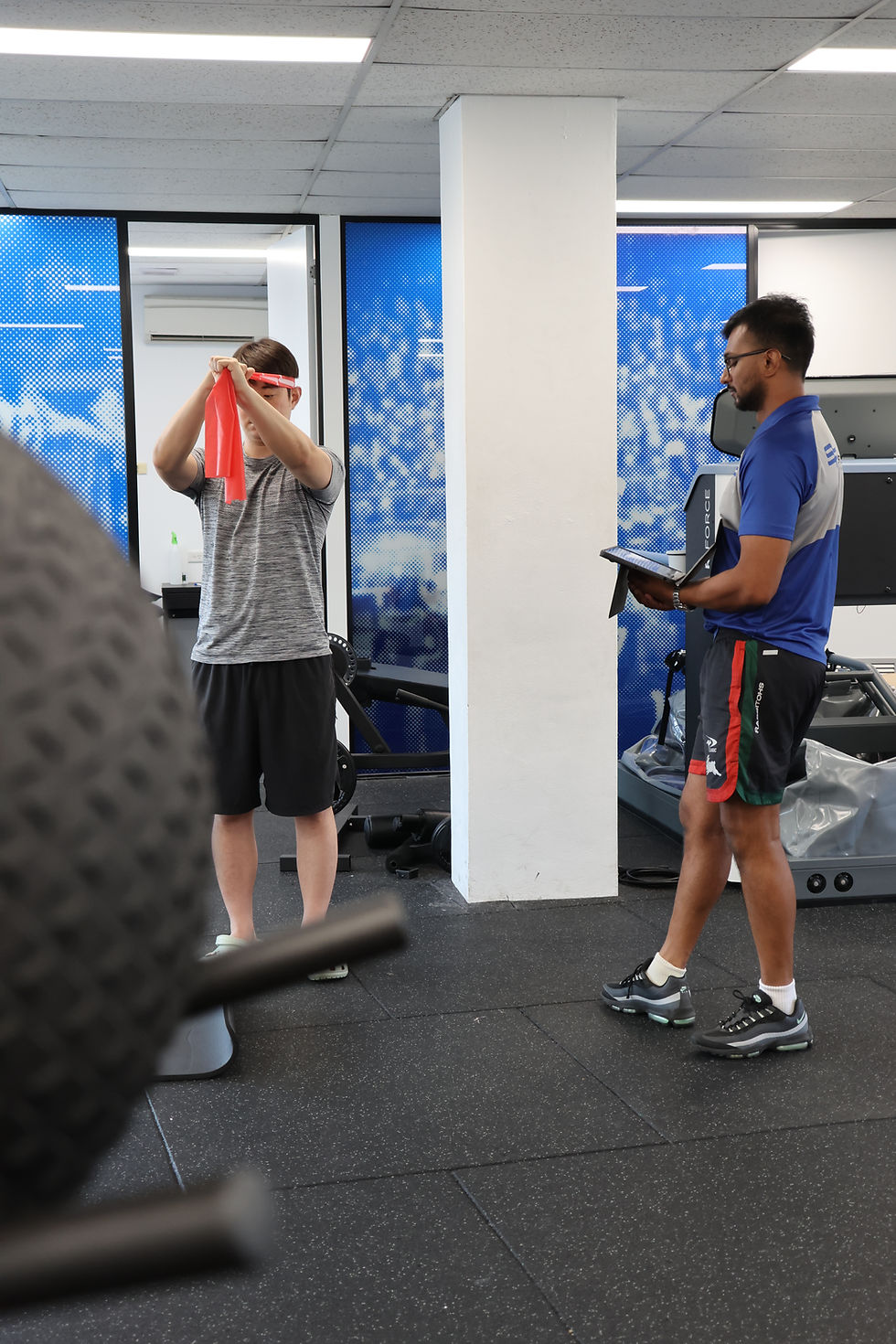
The strength side is where objective numbers help. We use VALD ForceFrame and AxIT force plates to measure quad and hamstring strength, left-to-right differences, and how load is shared between legs during a squat or a hop. A knee that looks fine walking can still be offloading 20 per cent to the other side, and that is far easier to see on a plate than by eye.
Surgery, rehab, or both
For degenerative tears in middle-aged knees, exercise-based rehab is often trialled first. Kise and colleagues, publishing in the BMJ in 2016, compared 12 weeks of supervised exercise therapy with arthroscopic partial meniscectomy in adults with degenerative medial tears and found comparable patient-reported outcomes at two years, with better thigh strength in the exercise group at three months. That research has shifted how many surgeons and physiotherapists approach these knees, though individual cases still vary and some tears are managed surgically for good reason.
Traumatic tears in younger athletes, repairable tears in the vascular outer zone, and knees that stay mechanically locked sit in a different category. If surgery is on the table, we work alongside your surgeon rather than around them, and pre-operative strength work usually makes the post-operative phase more straightforward.
What rehab involves week to week
Early on, the aim is settling swelling, restoring full extension and getting the quad firing again. Swelling inhibits the quad, so chasing strength before the joint calms down tends to stall.
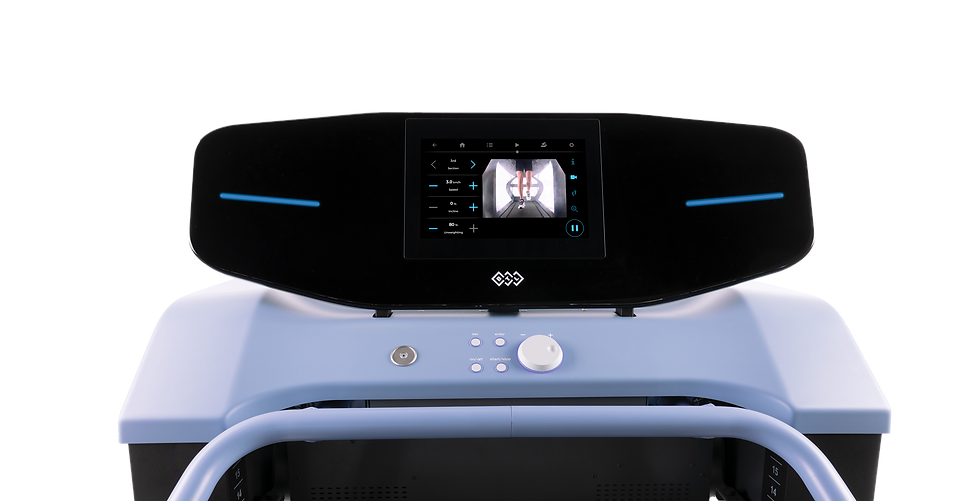
The middle phase is strength and control: leg press, split squats, step-downs, hamstring and calf work, and single-leg loading through the ranges your sport actually demands. We have a large gym space at Five Dock so this happens with real weight rather than a resistance band in a cubicle. The anti-gravity treadmill is useful here for reintroducing running mechanics at reduced body weight when full loading is still too much.
Late-stage work is cutting, decelerating, landing and repeat sprint exposure, retested on the force plates so the return-to-sport decision is based on numbers and how the knee responds to load, not just how it feels on a Tuesday.
If your knee is swelling after games, catching in a squat, or you have an MRI report you do not fully understand, book an assessment and get it looked at properly.
Read more about our knee services.
We go deeper on knee at sydneyaclphysio.au.
If you would like it assessed at our Five Dock clinic, you can book a free injury assessment.

Comments