
Physiotherapist Near Gladesville: What to Expect


What people are usually looking for
Most people searching for a physiotherapist near Gladesville have a specific problem and a specific deadline. A calf that grabbed at Thursday training with a game on Saturday. Knee pain that has crept up over eight weeks of half marathon training. A shoulder that has been sore since a fall in June and hasn't settled on its own. A surgeon's post-op protocol and no idea who is going to run it.
Those are different jobs. What they have in common is that they need a diagnosis you can act on and a plan with a next step, rather than twenty minutes of hands-on work and a vague instruction to rest.
Our Gladesville clinic sits close to Victoria Road and draws people from Hunters Hill, Ryde, Putney, Tennyson Point and Drummoyne. Plenty of them play club sport at Gladesville and Ryde grounds. A lot of them just want to keep running, lifting or chasing kids around without something flaring up every few months.
What the first appointment actually involves
Expect questions before hands. When the pain started, what you were doing, whether it is worse in the first few steps of the morning or after 30 minutes of load, what your training week looks like now versus six weeks ago, what you have already tried. Training history explains a large share of injuries that look mysterious on the surface, particularly in tendons.
Then a physical assessment. That means testing the movements that reproduce your symptoms, checking joints above and below the painful area, and measuring strength and range so there is a baseline to compare against later. For a hamstring, that might be a Nordic hold and a single-leg bridge count. For a knee, it might include a single-leg squat, a hop test and a look at how you decelerate.
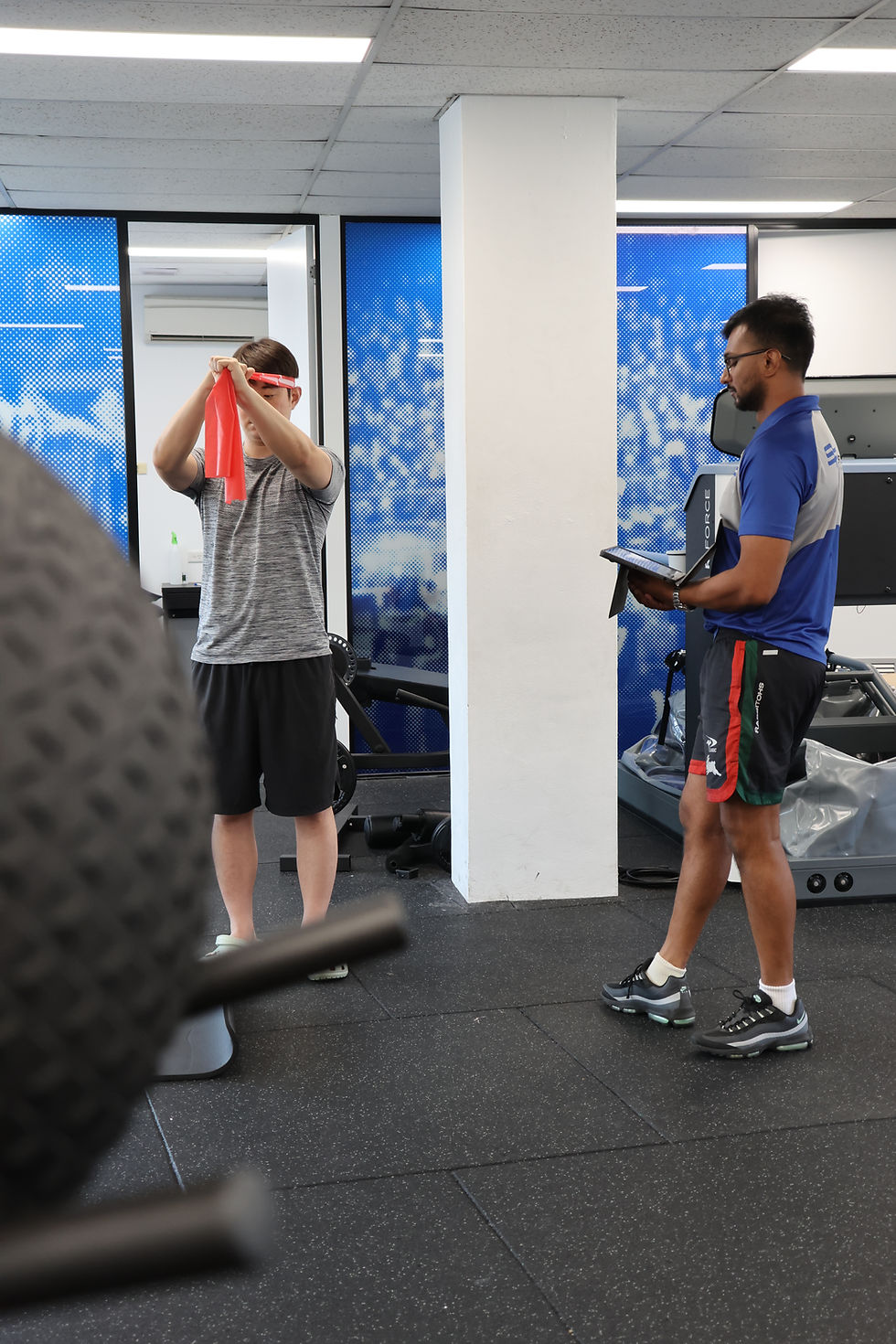
Where useful, we test with equipment rather than eyeballing it. The VALD ForceFrame gives a number for hip adductor, abductor and hamstring strength, and it will show a left-to-right difference you cannot feel. AxIT force plates measure how much force each leg produces and absorbs in squats, jumps and landings. Those numbers matter most in the middle and late stages of rehab, when the leg feels fine and the question is whether it is genuinely ready for sprinting, cutting or contact.
You should leave the first session knowing what your physiotherapist thinks the problem is, what is driving it, and what you are doing between now and the next appointment.
Hands-on work, and what sits around it
Manual therapy has a place. Joint mobilisation, soft tissue work and dry needling can reduce pain and improve range in the short term, which often makes loading exercise more tolerable. We use it as part of a plan, not as the plan.
The bulk of most rehab is loading. That is why sessions run in a large gym space rather than a treatment cubicle, and why appointments are one-to-one with no double-booking. If your rehab involves sled pushes, sprint drills, jump landings or a heavy trap bar deadlift, you need room and you need someone watching the reps that matter.
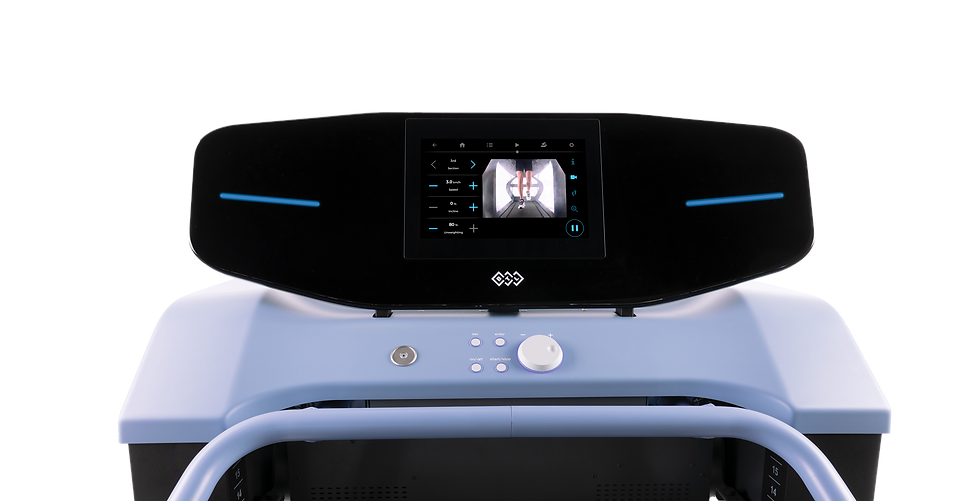
A few other tools we use where the case fits. The anti-gravity treadmill unloads a percentage of your body weight, which can let someone run earlier after a stress fracture, calf tear or knee surgery while still building running-specific capacity. Shockwave therapy is sometimes used alongside loading for stubborn tendon problems such as Achilles or gluteal tendinopathy. Clinical pilates suits people who need controlled, low-load movement to start with, often after back injuries or during pregnancy.
Rehab that ends where your sport starts
The common failure point is stopping rehab when the pain stops. Pain usually settles well before strength, tendon capacity and running volume come back. That gap is where re-injuries live, especially in hamstrings and ankles.
So the later stages of a program should look like your sport. Repeated sprints for a footballer. Change of direction and landing work for a netballer. Progressive long runs for a marathon runner. Overhead loading and throwing volume for a cricketer or baseball player. We build criteria for each stage rather than working purely off dates, and re-test with the ForceFrame or force plates to check the numbers have moved, not just the symptoms.
When it is worth booking rather than waiting
Get assessed sooner if you felt a sudden pull, tear or pop and had to stop, if you cannot put weight through a limb, if pain is waking you at night, if swelling appeared within an hour of an injury, or if something has plateaued after two or three weeks of self-management. Post-surgical cases are better started early, and most surgeons want rehab underway within days.
We see private patients, and also work with CTP insurance, workers compensation, NDIS and EPC referrals from a GP under Medicare. If you are unsure which applies to you, bring the paperwork you have and we will sort it out at the first appointment.
If you have an injury or a niggle that is not improving, book an assessment at our Gladesville clinic and we will work out what is going on.
Read more about our general services.
If you would like it assessed at our Gladesville clinic, you can book a free injury assessment.
Comments