
Knee Pain Physio in Gladesville: What to Expect


Knee pain rarely arrives out of nowhere
Most of the knee pain we assess in Gladesville follows a change in load. A pre-season block that jumped from two runs a week to four. A return to netball after eight weeks off. A new gym program with heavy squats and sled work added in the same fortnight. The knee is usually where the extra work lands, not where the problem started.
That matters for how you treat it. Rubbing the sore spot and resting for a week often settles symptoms and then the pain comes back the moment training resumes, because nothing about the capacity of the leg has changed.
The patterns we see most
Patellofemoral pain sits around or behind the kneecap. It typically bites on stairs, downhill running, squatting and after long periods sitting. There's often no swelling and no single moment of injury.
Patellar tendinopathy is a sharper, more localised pain right on the tendon below the kneecap. Jumping sports, sled pushes and heavy decelerations tend to aggravate it. It often warms up during activity and hurts more the next morning.
Meniscal irritation can follow a twist, or can creep in with age-related change. Deep flexion, twisting on a planted foot and getting in and out of a car are common aggravators.
Lateral knee pain in runners is often related to the ITB and usually shows up at a predictable distance into a run rather than from the first step.
Degenerative knee change in players in their forties and fifties is common and does not mean sport is over. Plenty of people with imaging findings keep training well with the right loading plan.
These presentations overlap, which is why a diagnosis based on where it hurts alone is unreliable.
What assessment looks like
The first appointment at our Gladesville clinic starts with history, and we spend real time on it. When the pain started, what you changed in the four to six weeks before, what aggravates it, whether there was swelling and how quickly it appeared, whether the knee has ever given way or locked. Sport, position, training week and what you're trying to get back to.
Then we look at how you move. Single-leg squat, step-down, calf raise capacity, hop and land if it's appropriate, knee range, swelling, and palpation of the structures the history points towards. We watch the hip and ankle as well, because knee load is shaped by what happens above and below it.
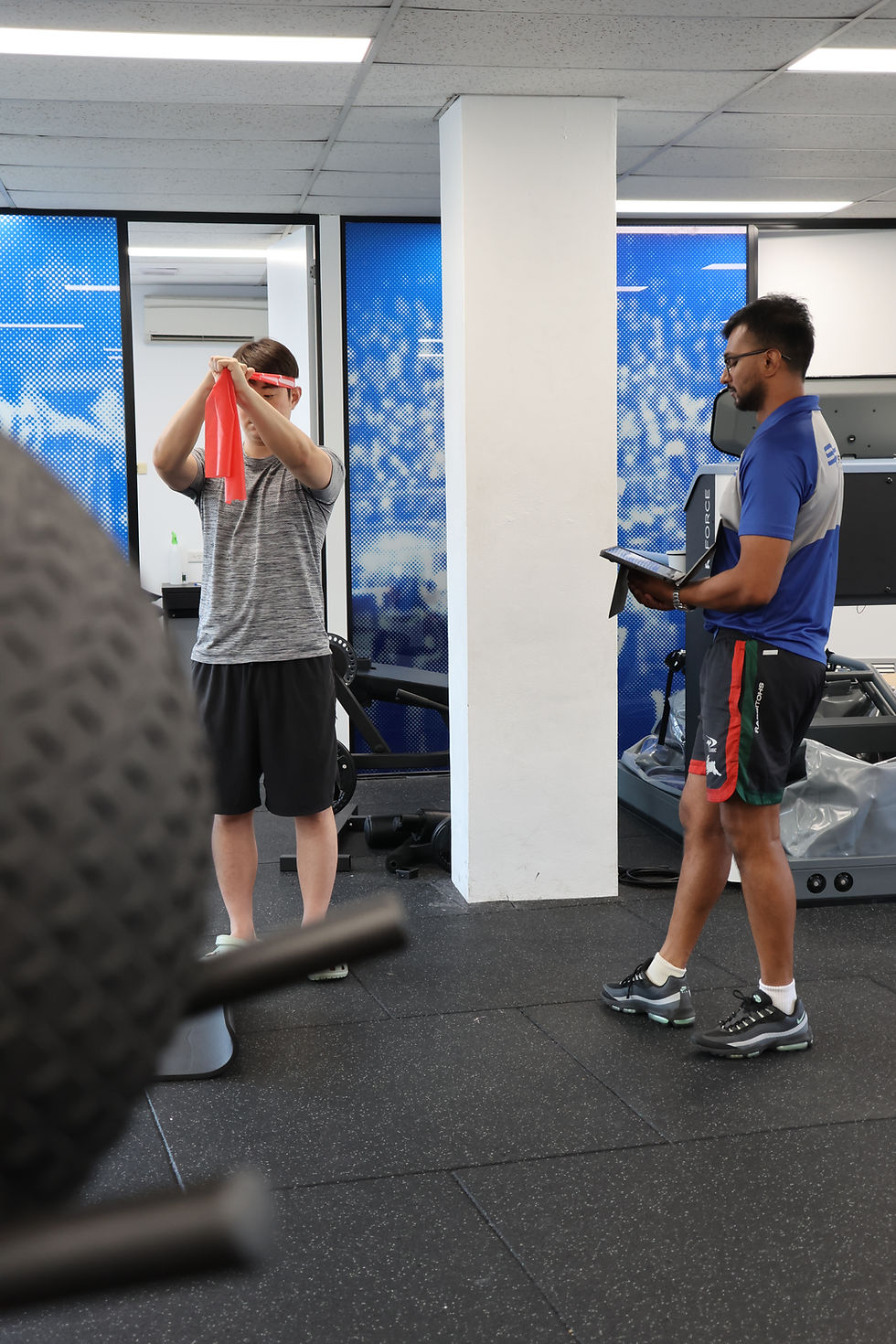
Where it's useful, we test strength objectively rather than guessing. AxIT force plates measure how much force each leg produces and how evenly you distribute load in a squat or a jump. The VALD ForceFrame measures isometric knee extension and flexion strength side to side. Numbers like these give a baseline to re-test against in four or eight weeks, so decisions about progressing running or returning to contact are based on something more than how the knee feels on the day.
What a session involves
Appointments are one-to-one, with no double-booking, in a clinic with a full gym space. That means the loading part of rehab happens in the session rather than being handed over as a printed sheet.
A typical session mixes hands-on work to settle symptoms and restore range with the strength and control work that changes capacity over time. For patellofemoral pain, that often means building quadriceps and hip strength through ranges you can tolerate, then progressively loading deeper knee flexion. For patellar tendinopathy, it usually means heavy, slow, controlled loading, adjusted according to how the tendon responds over the following 24 hours.
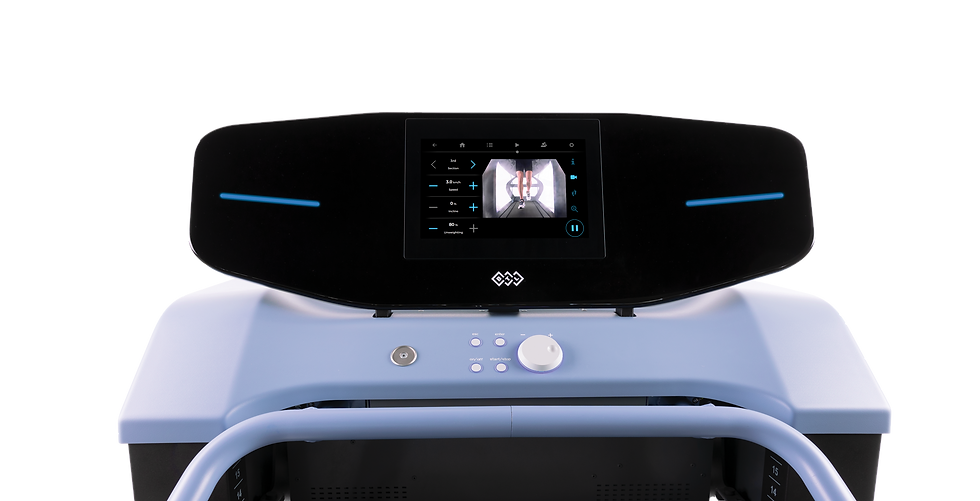
For people returning to running, the anti-gravity treadmill lets us reduce bodyweight through the knee and reintroduce running mechanics at a load the joint can currently handle, then add weight back progressively. Shockwave therapy is another option we discuss for some chronic tendon presentations, used alongside a loading program rather than instead of one.
We also talk about training week structure, because how you space sessions often decides whether a tendon settles or stays irritable.
When to get it looked at sooner
Book in promptly if the knee swelled within a couple of hours of an injury, if it gives way under you, if it locks or blocks so you can't straighten it fully, or if you can't put weight through it. Those signs point to structures worth ruling in or out early.
For the slower-building aches, a good rule is two weeks. If pain has not improved after a fortnight of sensible load reduction, or if you're modifying training to avoid it, an assessment is more useful than more waiting.
We see private patients as well as CTP, workers compensation, NDIS and EPC/Medicare referrals. If your knee has been limiting your training or your weekend sport, come in and have it assessed properly.
Read more about our knee services.
We go deeper on knee at sydneyaclphysio.au.
If you would like it assessed at our Gladesville clinic, you can book a free injury assessment.

Comments