
Why Consistent Objective Testing Matters in ACL Rehabilitation: From a patient’s perspective
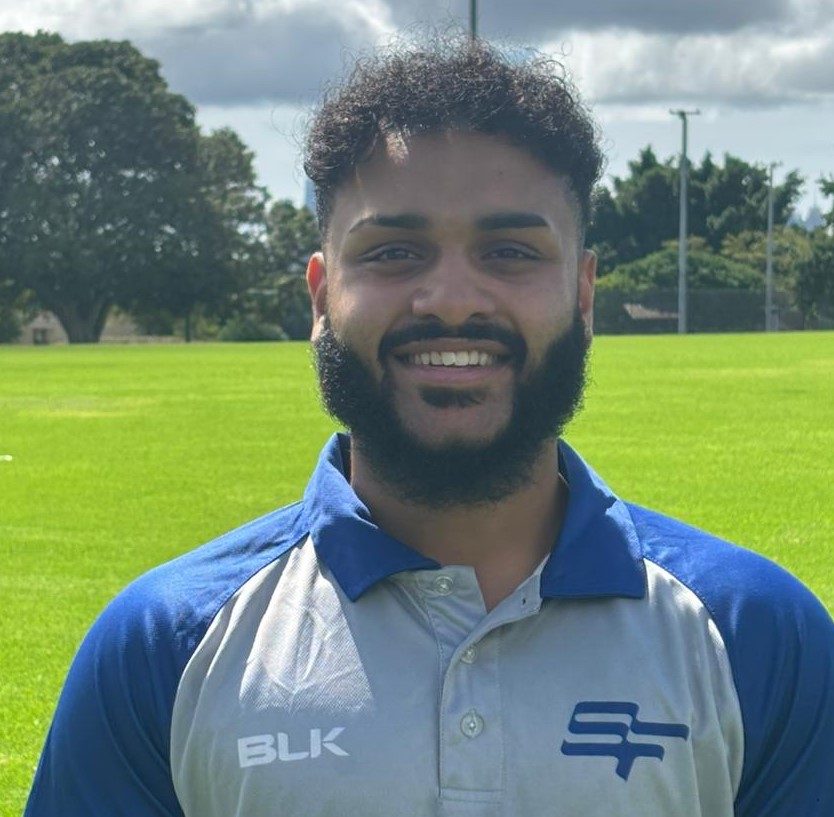
Having personally gone through an ACL tear and surgery six months ago, I’ve come to truly understand the power of consistent, objective testing in ACL Rehabilitation - not just as a physiotherapist but as a patient.
Objective testing during my rehab has helped keep me motivated and focused on achieving measurable progress. While it’s crucial for us as clinician’s to assess and adapt rehab protocols, from a patient’s perspective it’s been a game-changer in providing clarity and a sense of achievement during a long recovery journey.
My Experience of Testing as a Patient
Day 1 Post-Surgery:
When I first walked into the clinic after surgery, my leg felt unrecog
nisable - weak, skinny and unstable. I struggled even walking on it so the idea of returning to sport at some point seemed far-fetched.

3 Months Post-Surgery - First Testing Block:
This was the first time I saw measurable progress.
My muscle strength had improved
My range of motion (ROM) was nearly back to normal
I could walk and even jog comfortably - something that seemed impossible a few weeks before
6 Months Post-Surgery - Mid-Stage Testing:
My quadriceps strength continued to improve however my hamstrings deficits were still present and needed targeted work
I wasn’t as powerful when trying to hop and jump on my injured leg but my ability to land had improved

With competitive sport off the table for now, my only competition is me - from three months ago. These testing blocks have helped me see the wins I might’ve missed otherwise. They’ve become benchmarks I look forward to - especially my upcoming end-stage testing blocks where I can hopefully get back to playing sport.
Why We Test: The Physiotherapist’s Perspective
From a clinical standpoint, objective testing is critical throughout ACL rehabilitation. It’s how we track recovery and optimise outcomes.
Here’s what regular testing allows us to do:
Monitor Progress = identify improvements or stagnation early
Adapt Rehab Plans = if a patient isn’t responding well, we know exactly where and how to adjust
Target Specific Deficits = whether it’s quad asymmetry, hamstring weakness or reduced plyometric capacity, testing tells us what to prioritise
Support Safe Return to Sport = objective data reduces the risk of re-injury and boosts athlete confidence
No two ACL injuries are the same - and rehab shouldn’t be either. Regular testing allows us to tailor every program to meet each patient’s exact needs.
How We Test at SportsFit
At SportsFit, we use specific ACL testing protocols at key stages throughout the rehab process.
These include assessments:
Strength
Range of Motion (R
OM)
Muscular Endurance
Plyometric Performance
We use advanced tools like:
VALD ForceFrame for strength and symmetry analysis
AXIT ForcePlates for plyometric and landing assessments

These objective measures ensure that no part of a patient’s rehab is left to guesswork. It’s data-driven, personalised and build to safely return you to sport
Final Thoughts: Consistency Over Perfection
If there’s one thing I’ve learnt both as a patient and a physio its that consistent, objective testing is a cornerstone of successful ACL rehabilitation. It keeps recovery structured, goal-oriented and tailored to each individual.
Whether you’re early in your ACL journey or approaching return-to-sport testing, know that progress isn’t always linear - but it is measurable. And that’s where the power of objective testing really shines.


Comments