
Most Common Hyrox Injuries: Causes and Recovery

Updated: Oct 10
What makes Hyrox hard on the body
The most common Hyrox injuries share a cause: repeated loading of the same tissues while fatigued, over a training block that often ramps up faster than tendons can adapt. The race is eight 1km runs alternating with eight stations, including a 1000m SkiErg, a 50m sled push, a 50m sled pull, 80m of burpee broad jumps, a 1000m row, a 200m farmers carry, 100m of sandbag lunges and 75 to 100 wall balls. Sled weights in the open division sit around 100 to 150kg including the sled, depending on category.
That structure matters clinically. Your calves and quads do heavy concentric work on the sled, then you run on them. Your shoulders work hard on the SkiErg and row, then carry the farmers handles. Nothing gets a genuine rest, and most age-group athletes are fitting 40 to 60km of running plus three or four strength sessions around full-time work.
Below are the presentations we see most often at SportsFit, what drives them, and what management typically involves.
1. Patellar tendinopathy
The patellar tendon connects the quadriceps to the shin bone and transmits force every time you extend the knee under load. Sled pushes, burpee broad jumps, wall balls and running all draw on it.
Athletes usually describe pain at the front of the knee, just below the kneecap, that is sharp and localised rather than diffuse. The classic pattern is pain in the first few minutes of a run or the first set of wall balls that eases as the tendon warms up, then returns a few hours later or the next morning. Because it warms up, people keep training on it, and the presentation often becomes more stubborn.
Management usually combines load modification with a progressive tendon loading program. Heavy slow resistance work for the quadriceps, isometric holds and graded return to plyometric and jumping loads are all commonly used. Cutting training entirely tends to be counterproductive, because tendons need mechanical load to adapt.
2. Achilles tendinopathy
The Achilles takes a compounding load in Hyrox. High running volume, SkiErg, sled push and lunges are all calf-dominant, and the total weekly calf load in a race block is frequently much higher than the athlete realises.
The typical presentation is localised pain and thickening about 2 to 6cm above the heel, stiffness in the first steps out of bed, warming up during a run, then aching afterwards. Pain right at the heel bone where the tendon inserts behaves differently and is often irritated by stretching and by hill running, so the two are worth distinguishing at assessment.
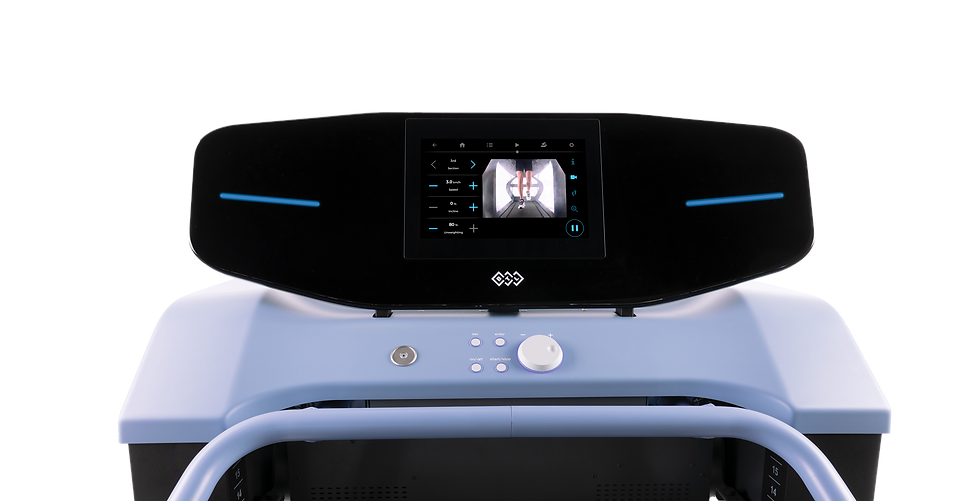
Rehabilitation generally involves progressive calf loading, starting with isometrics or heavy slow resistance and building toward faster, spring-like loading before full return to running. Training load gets managed alongside it rather than afterwards. Our anti-gravity treadmill lets athletes run at a reduced percentage of bodyweight, which is one way of maintaining running volume while the tendon's capacity is being rebuilt.
3. Rotator cuff and shoulder pain
The SkiErg, the row and the farmers carry all demand sustained rotator cuff and scapular control, and the wall ball station asks for repeated overhead work at the point in the race when you are most fatigued and technique is most likely to drift.
Shoulder pain here usually shows up with overhead or forward-reaching movements, often with a painful band of movement somewhere between 60 and 120 degrees of elevation. Some athletes also notice it at night lying on the affected side.
Assessment looks at rotator cuff strength, scapular control, thoracic mobility and how the shoulder behaves under fatigue, not just at rest. Treatment is usually weighted toward targeted strength work and technique changes, with short-term adjustments to the aggravating stations rather than complete shoulder rest.
4. Iliotibial band syndrome
ITBS produces sharp lateral knee pain that tends to appear at a predictable distance into a run, say 3km, and worsens if you keep going. Downhill running and slower, longer efforts often aggravate it more than fast running does.
Hip abductor and external rotator weakness is the most common contributor we find, along with rapid increases in running volume during race prep. Rehabilitation generally targets hip strength, running cadence and step width, and a graded rebuild of running distance.
5. Lower back pain
Sled pushes, sandbag lunges and the farmers carry all ask the lumbar spine to stay controlled under load while you are breathing hard. Late in a session, the sandbag tends to slide, the trunk flexes, and the lower back takes more of the work.
Back pain in Hyrox athletes is rarely one tissue. Assessment looks at hip mobility, trunk endurance, how you brace and breathe under load, and which specific movements reproduce the symptoms. Management is built around those findings, and our exercise physiologists often take the longer-term strength and conditioning side while the physiotherapist handles symptom management and load.
What an assessment involves
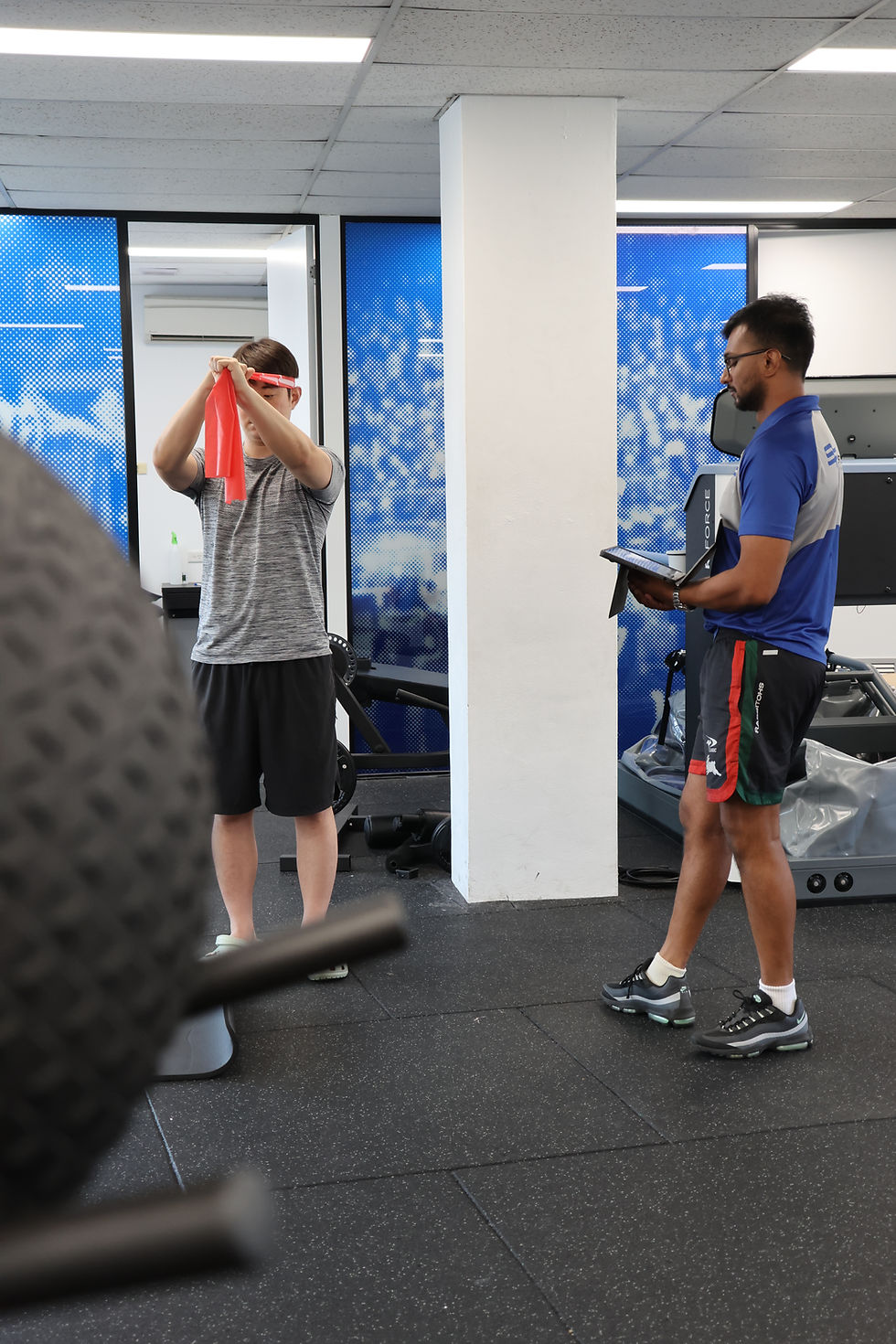
A first appointment at SportsFit usually runs around 45 minutes. We take a detailed training history, including weekly running kilometres, strength sessions, race date and how quickly volume has changed. We test strength and range relevant to the area, watch you move, and often load the painful tissue deliberately to see how it responds. Where it is useful, we look at your running or your sled technique.
You should leave with a working diagnosis, a clear explanation of what is driving it, a plan for what you can keep doing this week, and the first few exercises.
When to get it looked at
The pattern we see most often is an athlete who waits eight weeks because the pain warms up. Worth booking an assessment if pain has lasted more than a week or two, is getting worse session to session, changes how you run or lift, or wakes you at night. Sudden swelling, an inability to weight bear, or a sharp snap during effort should be looked at promptly.
What recovery realistically looks like
Tendon presentations are generally planned over months rather than weeks, and progress is rarely a straight line. Good weeks and flare-ups both happen. Muscle strains and irritable joints often settle faster. In most cases the plan keeps you training in some modified form throughout, swapping sled work for cycling, or reducing running volume while the strength work continues, rather than stopping entirely and losing fitness you then have to rebuild.
No referral is needed to see a physiotherapist at our Five Dock or Gladesville clinics, and bringing your training log and race date to the first appointment makes the plan far more specific.
If you would like it assessed, you can book a free injury assessment.

Comments